Honoring What Came Before–Building For What Is Ahead
Honoring What Came Before Building For What Is Ahead
Historic preservation requires equal parts reverence and pragmatism. You are stewarding a piece of history while making it work for contemporary living. Original details that define the home's character must be preserved. Modern systems that families need must be integrated. Structural integrity built to 19th-century standards must meet current codes.
From estates on historic registers to architecturally significant mid-century homes, preservation work in the Hamptons means navigating review boards, sourcing period-appropriate materials, and finding craftspeople who understand techniques not commonly taught today. Some might shy away from this work because the complications can often outweigh the margins. Fifth & Dune takes on this challenge with pride – contributing to the rebirth of a historic home is rewarding in multiple facets and a part of the building process that we are passionate about.
Fifth & Dune itself operates out of a restored c.1895 building. We chose this work because we understand what it means to bring history forward.
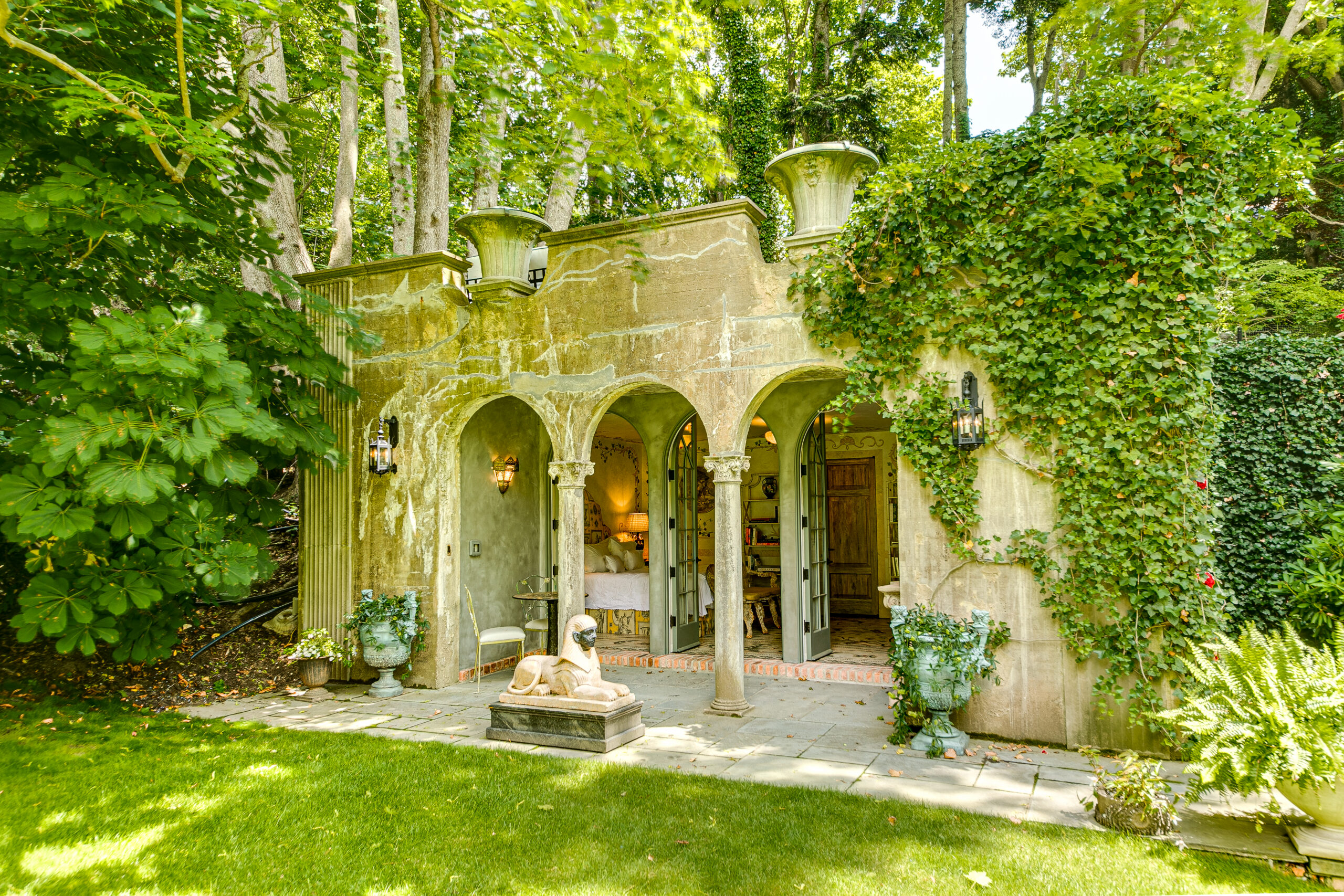
Balancing Preservation and Progress
The timeline for historic preservation varies significantly—twelve months for straightforward updates, thirty or more for complex restorations requiring regulatory approval at multiple stages. Early coordination with historic commissions and boards helps greatly in determining what is possible. Some modifications require extensive documentation and review, while others proceed with standard permitting once preservation guidelines are met.
We engage with review boards and preservation consultants before finalizing plans. This front-end investment prevents costly redesigns when proposals do not meet historic standards. Our team knows which battles are worth fighting and which compromises serve the project better than prolonged approval delays.
Projects run smoother when superintendents understand the distinct differences between salvaging original materials and knowing when faithful replication serves preservation goals better than damaged originals. When concealed conditions are uncovered during construction, decisions are guided by preservation priorities rather than construction convenience.
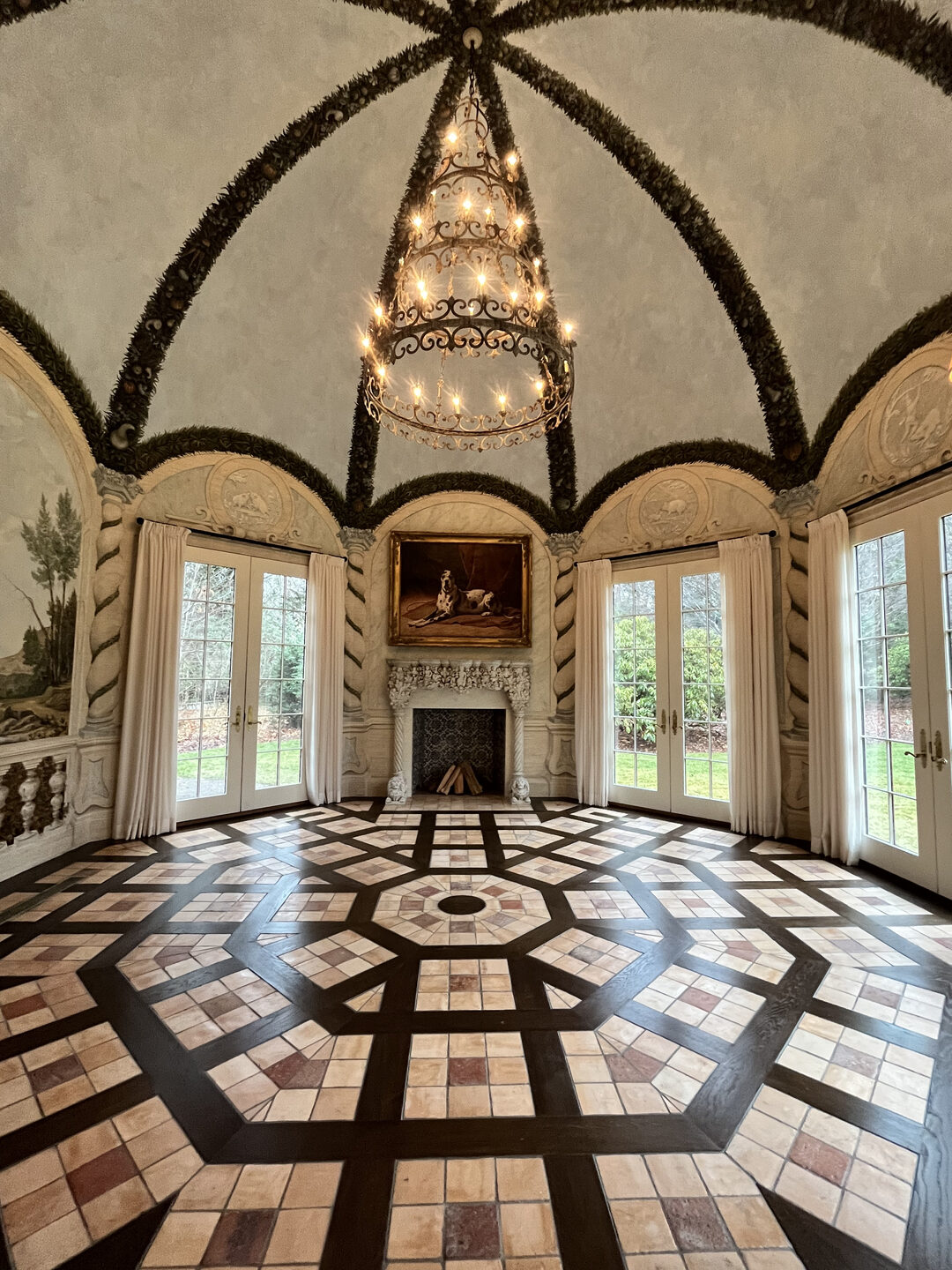
Why Choose Fifth & Dune
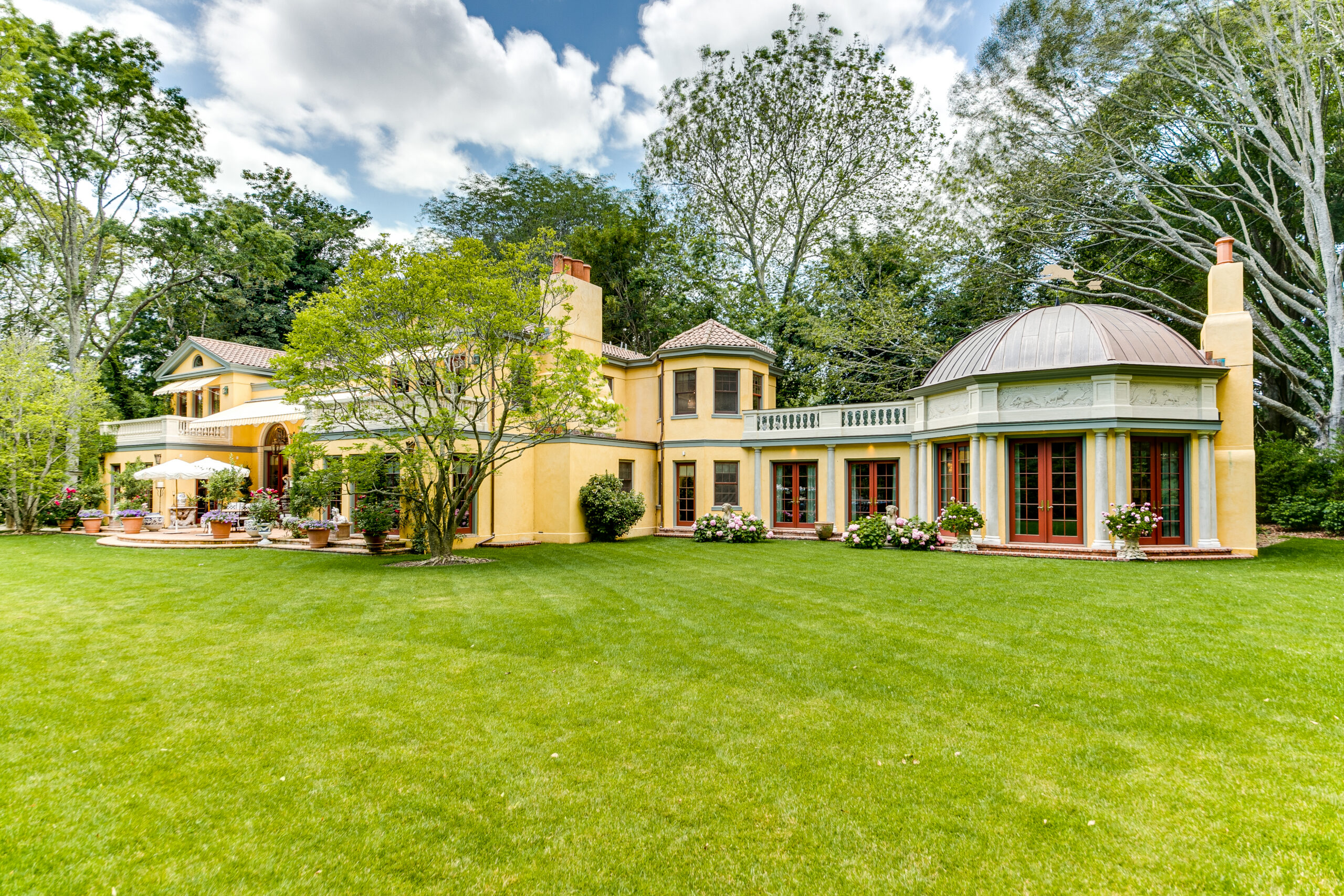
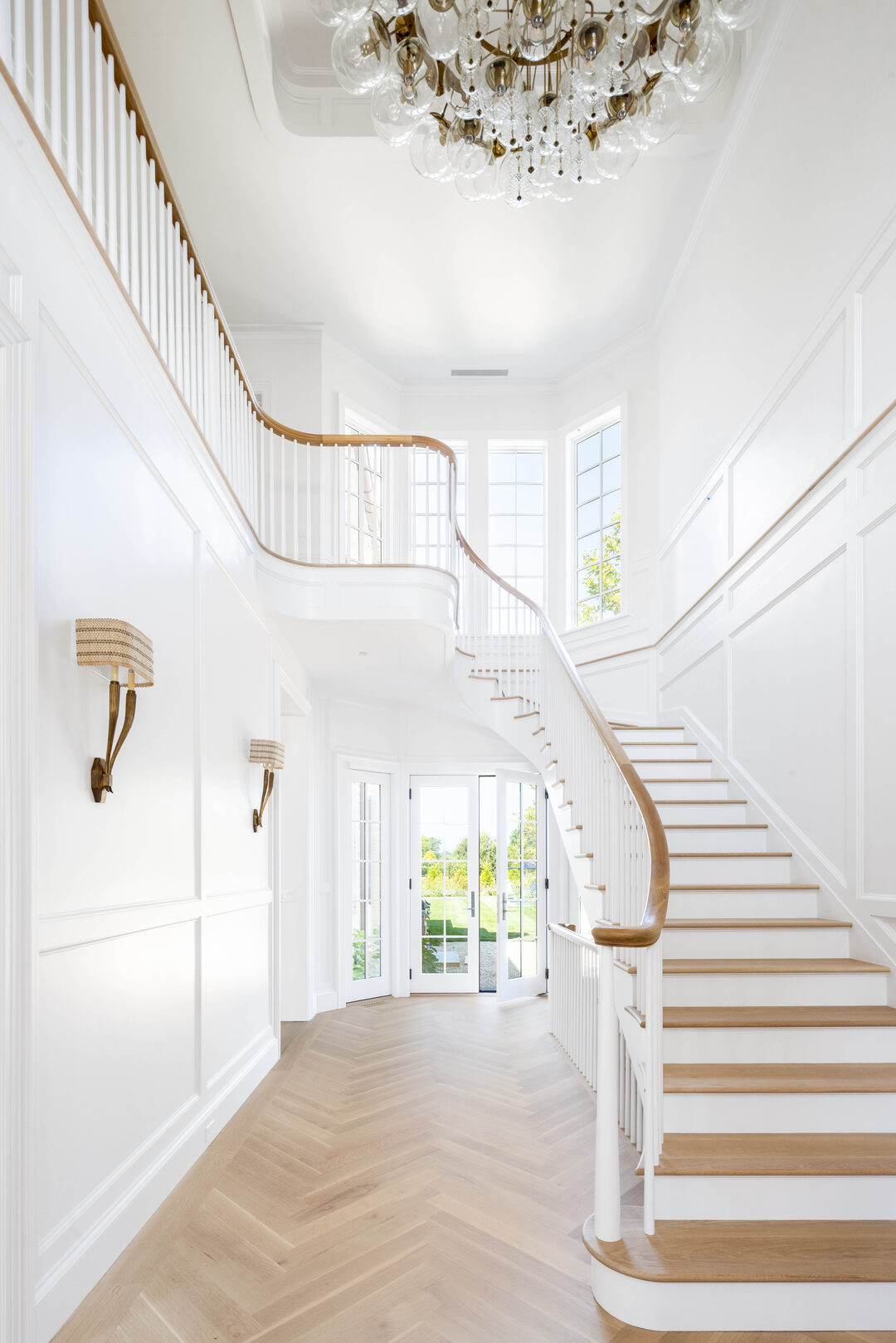
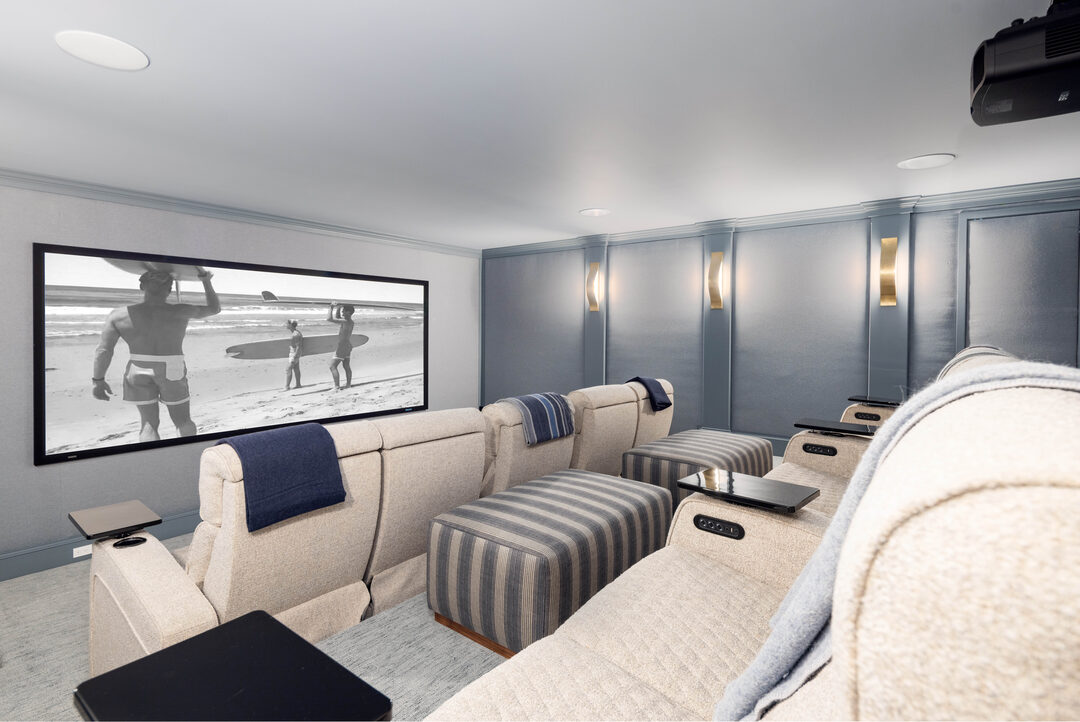
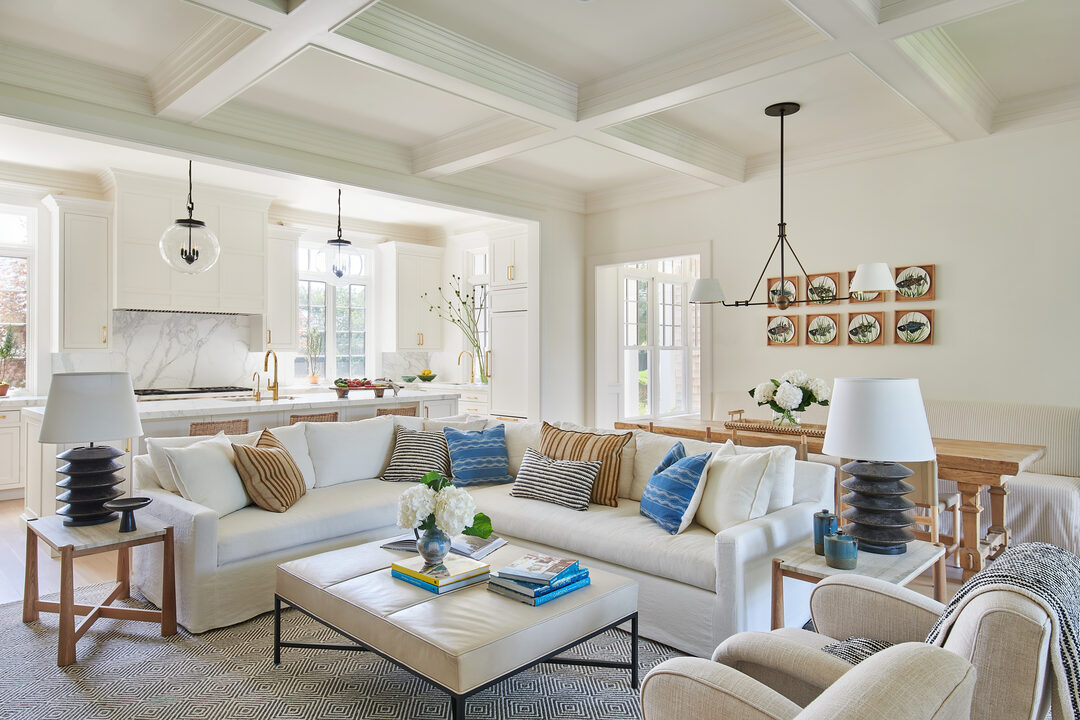
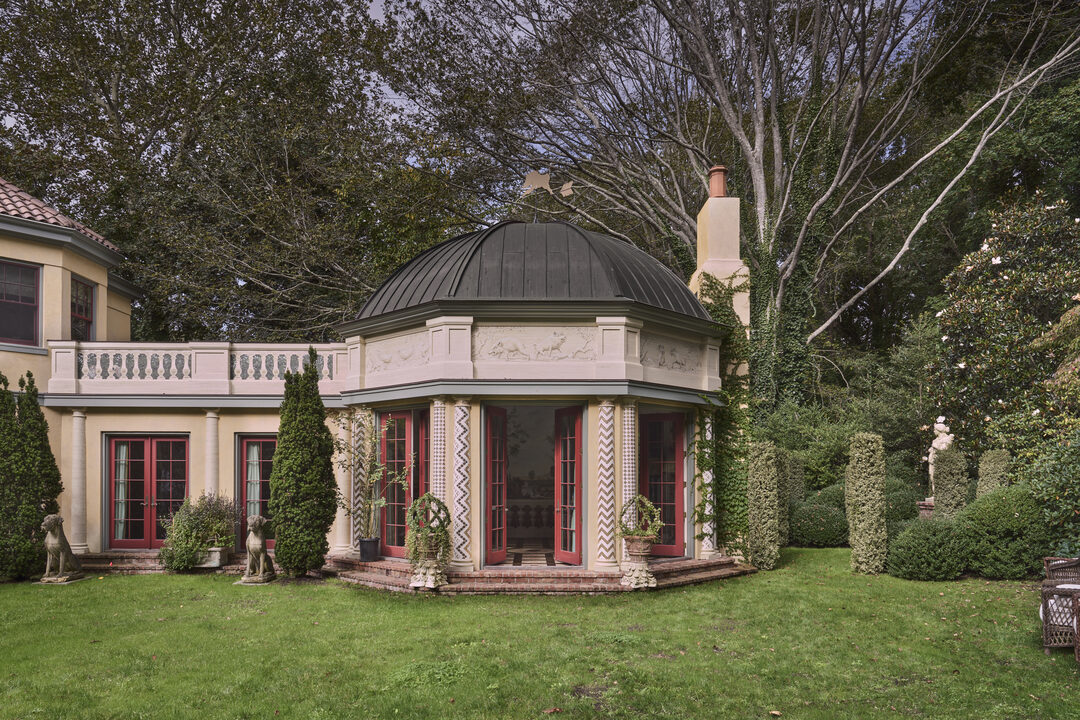
Considerations are made thoughtfully—we have restored homes where every window required custom replication to match original profiles. We preserve the exterior character while completely reimagining interiors for open-concept living. Integrating modern kitchens, bathrooms, and mechanical systems, without visible compromise, to maintain historic architecture.
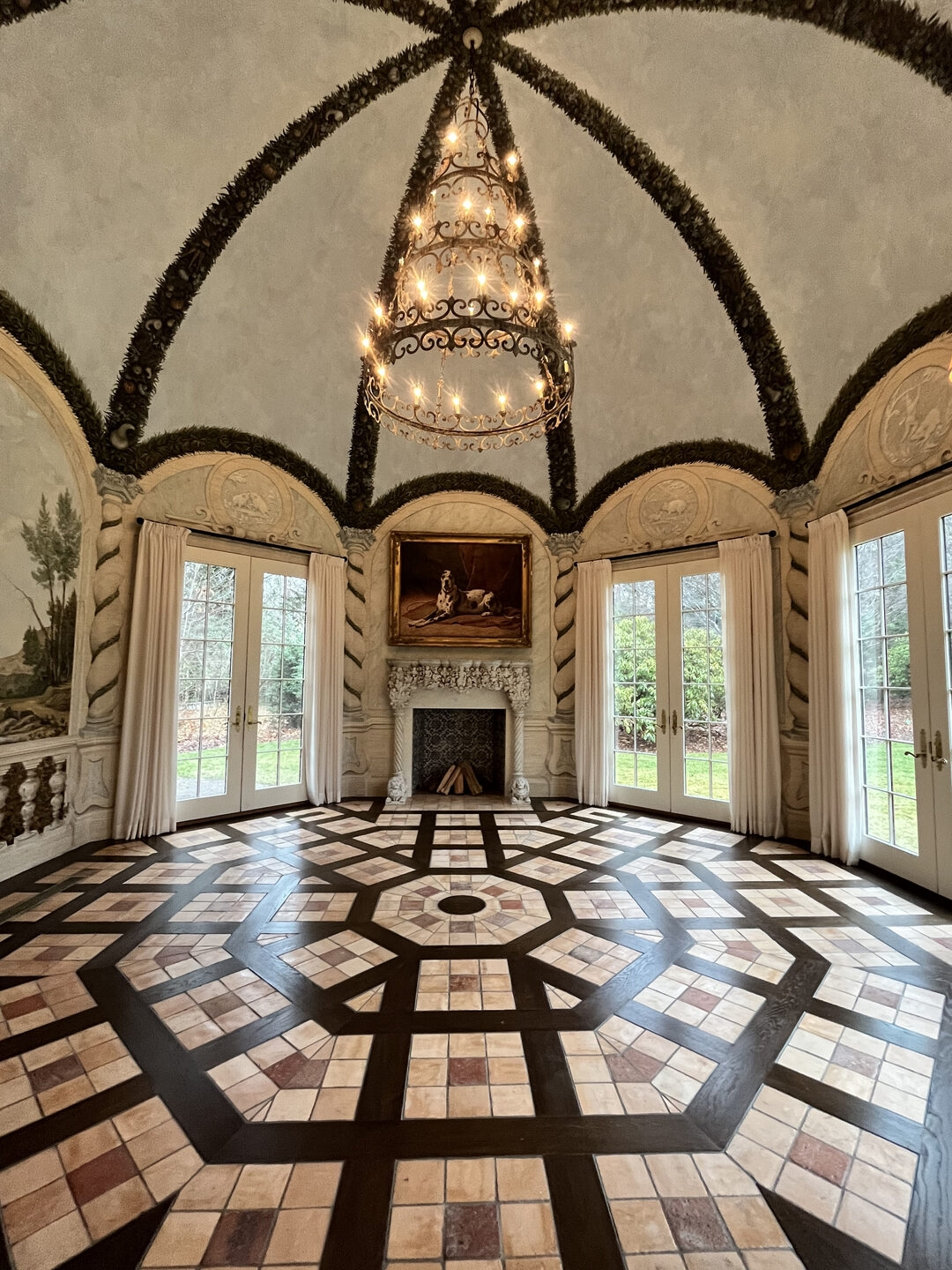
The challenge is not as simple as matching old materials—it is understanding why original builders made certain choices and how to honor those decisions while meeting contemporary expectations. For instance, load-bearing walls placed for structural reasons that still matter, window proportions that define exterior symmetry, and plaster finishes that create the warmth that modern drywall cannot replicate.
We maintain our relationships with specialized craftspeople who understand historic techniques such as millwork shops that replicate custom molding profiles, plasterers and glazers trained in traditional methods, and suppliers who source reclaimed materials or commission accurate reproductions.
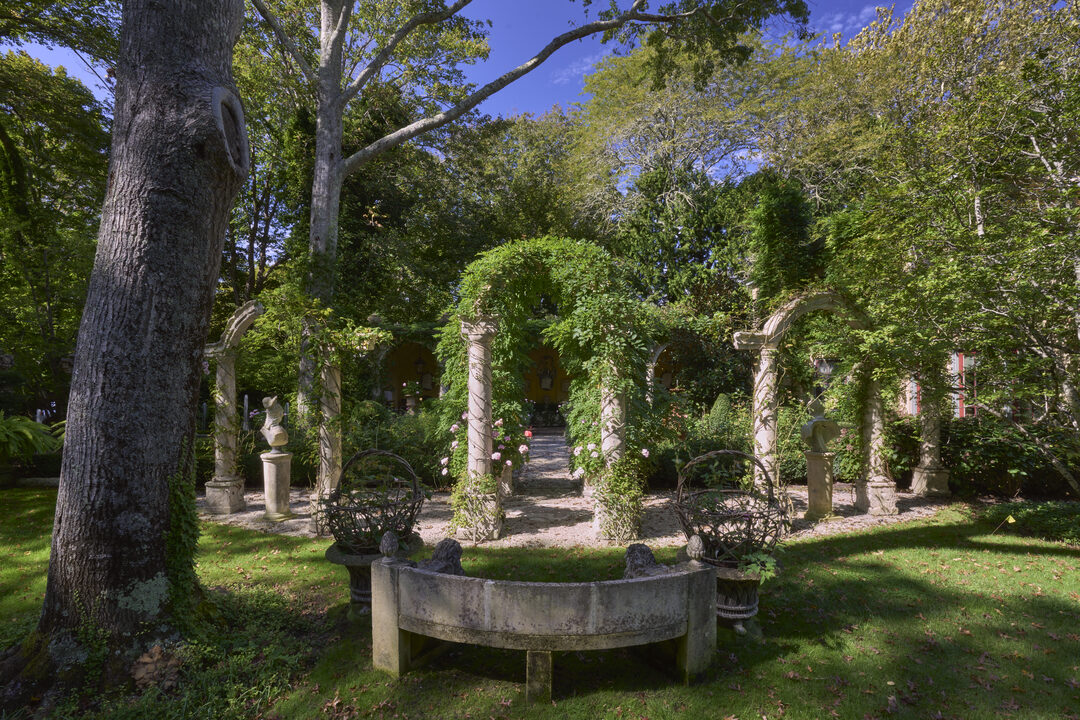
The Regulatory Reality
Historic preservation introduces variables that tend not to exist anymore in standard construction. There are approval processes with multiple stakeholders, site visits from preservation officers, and public hearings when exterior modifications affect the streetscape character. Material specifications often require documentation. The additional considerations that are unique to historic preservation projects pay homage to past practices, something Fifth & Dune respects and remains passionate about.
We handle these requirements as a natural part of the process, rather than as hurdles. Our team attends the commission meetings, prepares required documentation, and coordinates specialist consultations. You stay informed about approvals and timeline implications without managing the bureaucratic complexity yourself.
Some preservation projects move quickly once approvals are secured, while others require phased work as different modifications pass through review boards at different stages. Fifth & Dune plans for both scenarios and we adapt when regulatory reality differs from initial expectations.